Digitaltooffsetcanprinting:HowVodkadescaledfrom10,000to20millioncansperorder
THE ORIGIN & COMPANY
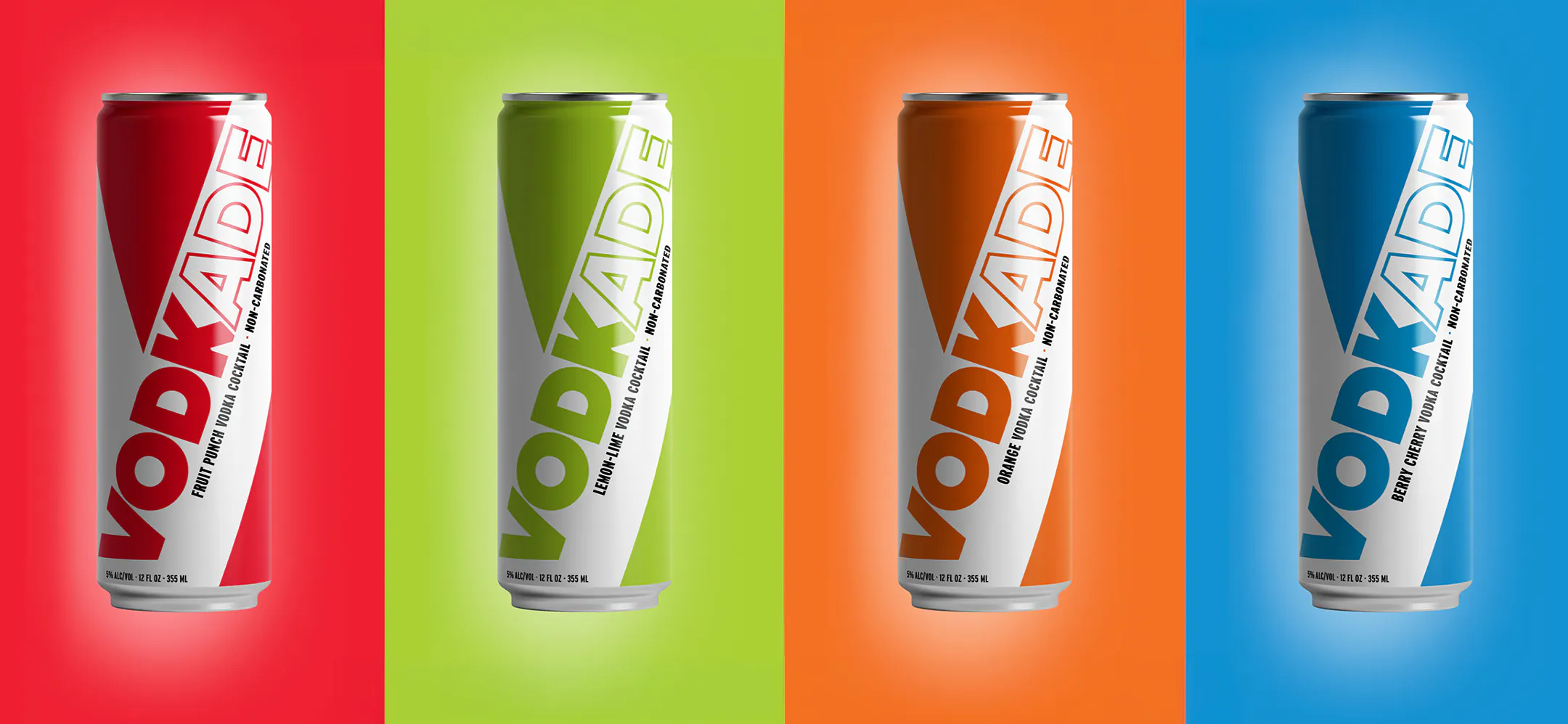
Imagine… a sports drink with a twist. Vodkade is a smooth, non-carbonated 5% ABV vodka cocktail in classic sports-drink flavors. It created what is now called the “ade” category.
Two decades. Two pharmacy companies built and sold. Then Grant Dino, Sr. traded prescriptions for a much more fun recipe. In fall 2024, somewhere between the golf course and the beach in Florida, he mixed his favorite sports drink with a splash of vodka. Delicious? Absolutely. On store shelves? Nowhere.
Grant saw his shot and took it. By March 2025, Vodkade was rolling out across Missouri, Illinois, and Iowa, kicking off a brand-new beverage category: “ade.”
“This is a great drink. I’m sure that other people are doing it, but nobody had ever brought it to market. Know what you're getting into before you get into it. Do your research.”
— Grant Dino, Sr., Founder of Vodkade

THE CHALLENGE: SCALING A FIRST-TO-MARKET BEVERAGE BRAND FAST
Vodkade had a winning liquid and a bold look. The hard part?
Unproven Category SKUs: A brand-new category with no playbook or game film. Every flavor had to earn its spot before committing to massive production runs.
Explosive Demand Spikes: A summer-only Grape Limited Time Offer (LTO) exploded in popularity and suddenly had to go year-round, requiring fast packaging adaptability.
Market Competition: As larger brands entered the RTD "ade" space, Vodkade had to keep evolving to maintain its first-mover advantage.
THE GAME PLAN: START DIGITAL, SCALE TO OFFSET
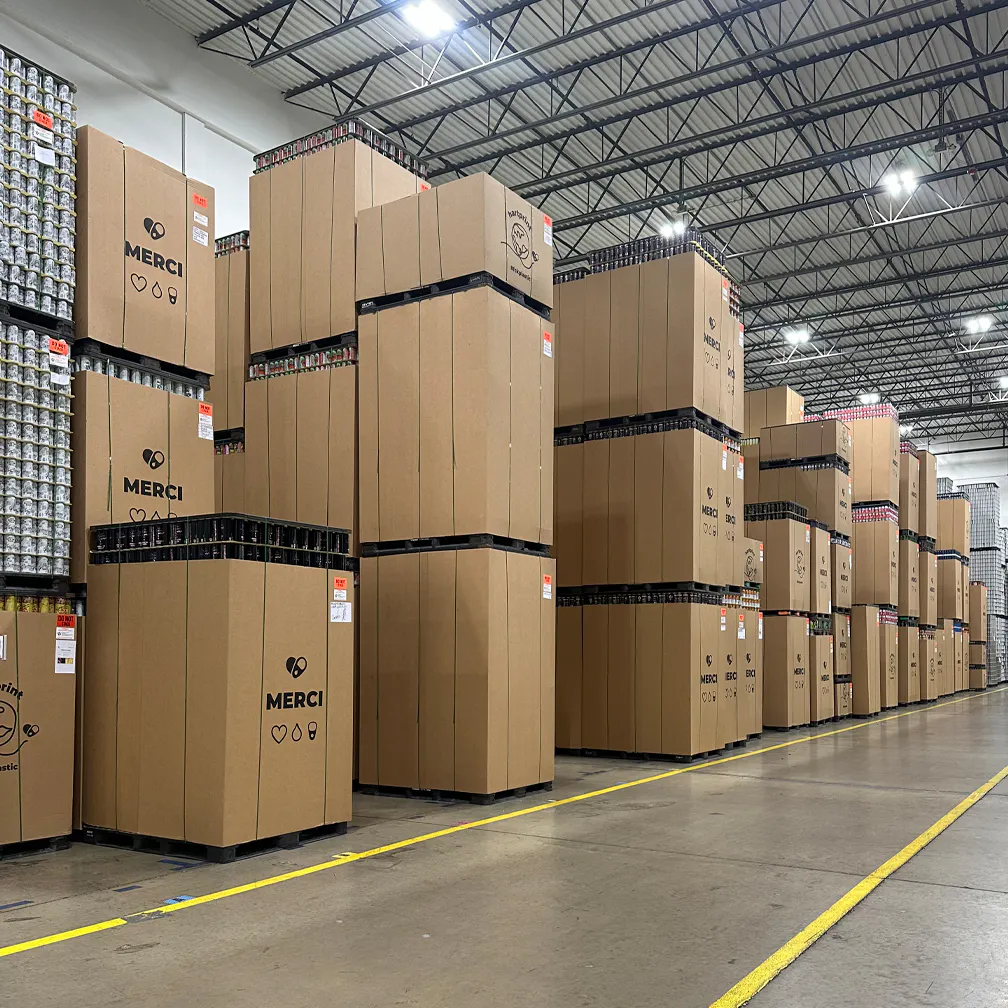
Every winning team needs a game plan. As Vodkade outgrew its first small runs, it made Hart Print its exclusive can printer through a 5-step packaging strategy:
1. Warm Up in Digital: After a first run of about 5,000 cases with another printer, Vodkade moved to Hart Print. Digital runs carried the Original, then launched Zero Sugar and the Grape LTO with minimal inventory risk.
2. Send the Winners to Offset: When a flavor took off, it was time to scale. In March 2026, Vodkade moved its winning SKUs to offset printing, unlocking higher volumes at a lower cost per can.
3. A Partner That Keeps Up: Competitive pricing from day one, paired with responsive support built on trust as Vodkade scaled fast.
4. Stay on the Winning Team: Offered a choice by a competing offset supplier, Grant compared options after Stephanie Hart highlighted Hart Print's offset capabilities, deciding Hart Print remained the best fit for his brand.
5. Invest in Brand Strategy & Design: Behind Vodkade’s success is DESTROY, the St. Louis strategy and design agency building their brand visual system.
THE SECRET INGREDIENT: AN ALL-STAR TEAM
Great brands aren’t built solo. Vodkade grew fast because Grant surrounded himself with specialized experts for every key role: DESTROY for agency design, Anheuser-Busch veterans for distribution, co-packers for production, and Hart Print for digital can printing execution.
FAQ
Q: When should a beverage brand switch from digital can printing to offset printing?
A: Beverage brands typically transition from digital to offset printing when a SKU reaches consistent, high-volume production runs (usually above 250,000+ cans). Starting with digital printing allows brands to test market demand with low minimum order quantities (MOQs), while switching winning SKUs to offset unlocks lower unit costs at scale.
Q: What are the main advantages of digital can printing for new RTD beverages?
A: Digital can printing eliminates long lead times and plate fees, allowing brands to launch seasonal LTOs (Limited Time Offers), test new flavor profiles, and adapt artwork on the fly without holding excess packaging inventory.
Q: How does Hart Print support growing craft beverage brands as they scale?
A: Hart Print offers a dual digital-to-offset printing ecosystem. Brands can run short, agile digital runs to prove out new products and seamlessly migrate top-performing SKUs to offset production lines under the same partner management.
READY TO SCALE YOUR CAN PACKAGING?
Whether you are launching your first SKU or scaling your top-performing flavor to millions of aluminum cans, Hart Print provides the digital-to-offset bridge your brand needs to win on retail shelves.
Book a call with a Hart Print Customer Success Manager today to build your custom packaging plan.